Insurance · Digital Enablement
Transforming Insurance Operations With End-to-End Digital Enablement

Project Snapshot
- Clients : MetLife, Shanta Life Insurance and Guardian Life Insurance
- Industry : Insurance and InsurTech
- Scope : Claims, policy administration, policyholder self-service and agent operations
- Platforms : Web and mobile (iOS and Android)
- Technologies : .NET Core, Angular, Flutter, SQL Server, Oracle DB, MongoDB, Redis, RabbitMQ, MassTransit, Firebase
- Model : Four modular products, adopted individually or as one ecosystem
The Impact
70% faster
Settlements — claim calculation fell from 15–30 minutes to under 2 seconds
70%
Increase in claim adjudication efficiency and accuracy
Up to 70%
Cost avoidance on printing and stationery across the claims process
30%
Reduction in claim investigation costs through automated fraud detection
Overview
Insurance runs on paperwork that outlived its purpose. Claims are submitted, validated and settled by hand; policy data lives apart from billing; and the customer waits without knowing where anything stands. Brain Station 23 worked with three insurers — MetLife, Shanta Life Insurance and Guardian Life Insurance — on the same underlying problem, for three groups of people:
- policyholders submitting claims and waiting on settlement,
- adjudicators, underwriters and billing teams processing them, and
- agents being onboarded, trained and measured in the field.
The work followed a business-first sequence: discovery workshops, gap analysis, then iterative releases. That matters here because insurers rarely replace a core system in one move — they need to adopt in pieces without the pieces drifting apart.
What emerged is a modular but integrated InsurTech ecosystem of four products: integrated claims, policy administration, a policyholder mobile app and an agent onboarding and training platform.
Each can be taken on its own or end to end, which is how the same architecture serves three insurers with different starting points.
Business Challenges
The pattern repeats across insurers. The rules are well understood and the data exists, but the process connecting them is manual, so every claim carries an administrative cost and a waiting period that nobody wants.
Five pressures shaped the work.
- Processing was manual and slow. Claim submission, validation and settlement all depended on people moving documents, which produced long turnaround times and heavy operational overhead.
- Systems were fragmented. Claims, policies, billing and agent workflows were disconnected, so data visibility was poor and the same paperwork was produced more than once.
- Legacy platforms could not scale. The existing systems lacked automation, real-time analytics and the architecture needed for high-volume claim processing.
- Fraud detection was absent. Without automated checks, financial exposure sat on the claims process and investigation costs stayed high.
- Customers and agents met friction. Poor real-time communication frustrated policyholders, while manual onboarding and training slowed agent readiness and made performance hard to track.
All of it lands on the same moment: a policyholder making a claim, and an adjudicator trying to settle it with information spread across four systems.
Claims taking days instead of seconds?
Bring it to a 30-minute call — we will come back with an architecture and a scoped estimate.
What We Built
Brain Station 23 delivered a four-pillar InsurTech ecosystem. The products stand alone, but they share data and rules so an insurer can start with one and add the rest without rebuilding.
Integrated claims solution
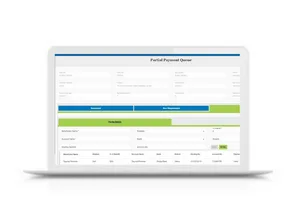
A centralised platform automating the claim lifecycle from submission to settlement: policy-based eligibility assessment on fixed, multiplier and pro-rata structures, automatic or manual adjudication, fraud detection, group policy billing, and real-time lifecycle tracking.
Policy administration system
A central hub for service requests, policy reinstatements and document management, with product and benefit configuration alongside the regulatory analytics insurers have to produce anyway.
Insurance 360 mobile app
Self-service for policyholders: 24/7 live chat, loan and maturity benefit tracking, real-time claim updates, and value-added services including telemedicine and wellness tools.
Agent onboarding and training platform
A digital system to onboard, train, evaluate and track agents at scale, with automated exam scheduling, mentorship mapping and real-time performance dashboards.
Modular adoption, integrated data
Discovery workshops and gap analysis preceded iterative releases, so each insurer could take the pillars in the order their operation allowed while the underlying data stayed connected.
The Results
The gains show up where the manual work used to sit: in the time to settle a claim, the cost of investigating it, and the paperwork that never has to be printed.
Speed and efficiency
Claim calculation time fell from 15–30 minutes to under 2 seconds, delivering roughly 70% faster settlements, alongside a 70% increase in claim adjudication efficiency and accuracy. Real-time lifecycle tracking removed the status chasing that used to sit between customer and adjudicator.
Cost and experience
Insurers achieved up to 70% cost avoidance on printing and stationery and a 30% reduction in claim investigation costs through automated fraud detection. Policyholders gained real-time visibility and communication, which reduced inbound service pressure, and automated onboarding got agents ready faster with less HR overhead.
Digital insurance is not a matter of buying tools. It is integrating automation, data visibility and customer-facing design tightly enough that a claim moves without anyone re-entering it.
The modular structure is what made this work across three insurers: each adopted at its own pace, and each ended up on the same connected foundation rather than a set of point solutions.
Still settling claims by hand?
You might have a claims process that takes days, a policy system that cannot talk to billing, or agents waiting weeks to be productive. In every case, the first step is the same.
Book a 30-minute call with Brain Station 23. Bring your claims or policy workflow, and we will come back with a proposed architecture, a phased delivery plan and a scoped estimate.
Claims taking days instead of seconds?
Bring it to a 30-minute call — we will come back with an architecture and a scoped estimate.
Related Case Studies

CLOUD, DIGITAL PLATFORM
Jewelry Insurance Claims Runs 15,000+ Replacement Assessments on One Web Platform