Insurance · Claims Automation
From a Week of Manual Handling to Automated Claims: 70% Faster Processing for a Global Insurer
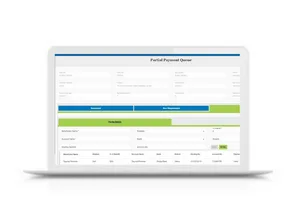
Project Snapshot
- Client : Global insurance leader with more than 90 million customers
- Industry : Insurance
- Scope : Web-based claims management and care system — submission, fraud checks, adjudication, disbursement and customer service
- Platforms : Web
- Technologies : AWS
- Reach : Built to scale across a customer base in 60+ countries
The Impact
70%
Faster claims processing
< 30 sec
For disbursement, where manual payout used to take up to a week
90M+
Customers served by the insurer
60+
Countries the platform is built to scale across
Overview
A global insurer serving more than 90 million customers was still processing claims by hand. Every claim moved through submission, validation and payment manually, and three groups felt the drag:
- policyholders, waiting up to a week for a claim to be paid,
- claims staff, validating and documenting the same information over and over, and
- the business, exposed to fraud and rising costs it had no systematic way to control.
At that scale, manual claims handling is not just slow; it is expensive, error-prone and an open door for fraud. Every step that depends on a person checking a form is a step that can be delayed, duplicated or gamed.
Brain Station 23 built a centralised, web-based Insurance Claims Management and Care System with fully automated workflows, from online submission and fraud detection to rules-based calculation, adjudication and payout.
The result: claims processed 70% faster, disbursement in under 30 seconds, fewer fraudulent claims and more accurate payouts, on a platform built to scale globally.

Business Challenges
Claims are the moment an insurer keeps its promise. When that moment takes a week and depends on paperwork, the customer experience and the cost base both suffer.
Four pressures shaped the platform.
- Everything was offline. With no online platform, submission, validation and payment all ran through a slow manual workflow.
- No fraud or calculation logic. There was no built-in fraud detection and no automatic claim calculation, which delayed every outcome.
- Payouts took a week. Manual disbursement could take up to seven days, straining timelines and customer patience.
- Manpower costs were climbing. Heavy manual validation and documentation caused duplication, errors and rising costs.
The platform had to replace people-driven steps with rules the system could apply consistently — without losing the human judgement needed for complex cases.
Claims taking days that should take seconds?
Bring it to a 30-minute call — we will come back with an architecture and a scoped estimate.
What We Built
The system covers the claim from the policyholder’s first upload to the payment landing in their account, with the customer-service view wrapped around it.
Online claim submission
Policyholders submit claims online with document upload, and each claim is routed automatically for approval.
Fraud detection and automated calculation
Fraud detection algorithms screen claims, and preconfigured rules and eligibility criteria calculate the payable amount automatically.
Group and individual policy management
Policy management covers both group and individual plans, with custom inclusion and exclusion logic.
Adjudication, beneficiaries and loans
Modules handle beneficiary management, claim adjudication — automatic for straightforward cases, manual where judgement is needed — and loan applications based on policy conditions.
Real-time tracking and notifications
Real-time claim tracking and graphical dashboards give visibility, while SMS, email and standard letters keep policyholders informed.
Connected customer service
Integration with customer service systems lets the team answer policyholder queries transparently from the same source of truth.


The Results
The outcomes show up in how fast claimants are paid, what claims cost to handle, and how much fraud gets through.
Speed and cost
Claims processing is 70% faster, with disbursement in under 30 seconds instead of up to a week. Automating validation and documentation lowered the cost of claims management by cutting manual labour and duplication.
Accuracy, trust and scale
Intelligent fraud detection significantly reduced fraudulent claims, and automated eligibility and benefit rules made calculations more accurate. Faster service and transparent communication strengthened customer trust, on a platform built to scale across a customer base in more than 60 countries.
The transferable lesson is that automation in claims is about rules, not robots. Once eligibility, benefits and fraud checks are encoded, most claims no longer need a person — and the ones that do get their full attention.
Keeping manual adjudication alongside auto-adjudication is what made that safe. The system handles the routine, and people handle the exceptions.
Still processing claims by hand?
You might have payouts that take days, fraud checks that depend on individual reviewers, or a customer service team without a live view of each claim. In every case, the first step is the same.
Book a 30-minute call with Brain Station 23. Bring your claims workflow and your volumes, and we will come back with a proposed architecture, a delivery plan and a scoped estimate.
Claims taking days that should take seconds?
Bring it to a 30-minute call — we will come back with an architecture and a scoped estimate.
Related Case Studies