Pharmaceuticals · Adobe Experience Manager
Brand-Compliant Product Websites Without a Development Cycle: An AEM Website Builder for Pharma

Project Snapshot
- Client : Enterprise pharmaceutical company
- Industry : Pharmaceuticals and life sciences
- Scope : Enterprise Website Builder on Adobe Experience Manager for rapid, brand-compliant product sites
- Platforms : Web
- Technologies : Adobe Experience Manager (AEM), custom AEM components and themes
- Users : Marketing and content teams, with no coding required
The Impact
No custom dev
New product sites built by business users, not developers
500+
Button variations, alongside themes and component-level options
On-brand
Corporate brand guidelines applied automatically to every site
Fast launch
Only node, permissions and DNS/SSL needed from IT before go-live
Overview
In pharma, the time it takes to get a product’s marketing site live is a competitive metric. For one enterprise pharmaceutical client, every new site meant a design agency, an AEM development and testing cycle, and only then content work and MLR (medical, legal and regulatory) review. Three groups felt the delay:
- marketing teams, waiting weeks before they could even start on content,
- brand teams, policing every site to make sure it followed corporate guidelines, and
- healthcare audiences, who needed timely information on new products and how they work.
Most of that timeline had nothing to do with the content. It was spent rebuilding the same kinds of pages, in the same brand, through a full development cycle each time.
Brain Station 23 built the Enterprise Website Builder on Adobe Experience Manager: a library of custom, brand-compliant components and themes that content authors assemble by drag and drop, with no custom development.
The result lets business users create and publish product sites themselves, with IT involved only to set up the site at release.

Business Challenges
Small marketing sites were going through the same heavy process as major web projects.
Three pressures shaped the builder.
- Long launch cycles. Each site needed custom agency design, an AEM development and testing cycle, then content work and MLR review before publishing.
- Costly custom development. The client wanted to market products quickly without lengthy, expensive custom AEM builds.
- Speed is a competitive metric. Time to market for small product sites matters in a highly competitive pharma industry.
The answer was to give business users the power to build sites themselves, inside guardrails that keep the brand safe.
Every microsite a development project?
Bring it to a 30-minute call — we will come back with an approach and a scoped estimate.
What We Built
The builder turns AEM into a self-service site factory, with brand compliance built in.
Components and theming agreed up front
The first phase defined the custom components needed and the theming support to match the company’s brand, plus customisations to make each component easier to use.
A library of custom AEM components
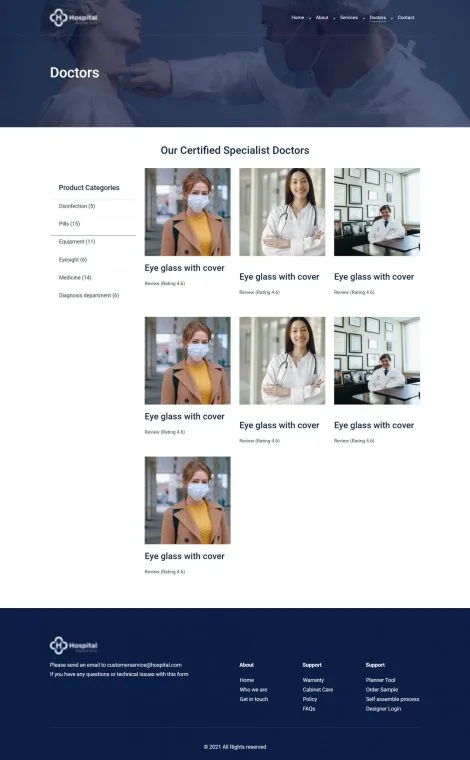
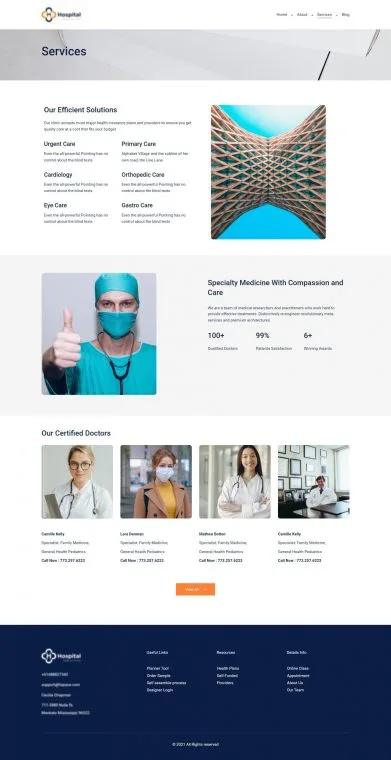
Developers built the components content authors use to assemble product sites, with site- and page-level configuration for unique results.
Deep customisation within brand rules
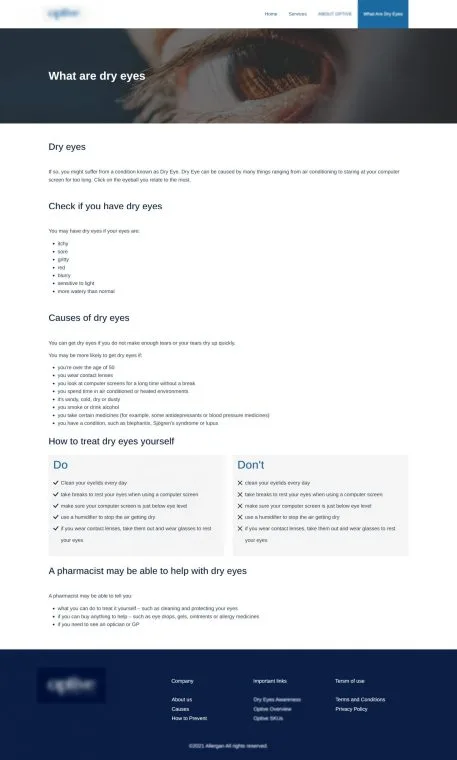
Themes and component-level variations — including more than 500 button options — let each site look distinct while the corporate brand design is applied everywhere.
No-code, drag-and-drop authoring
Authors build pages by drag and drop and menu selection, with no coding or development required.
Swappable stylesheets
Stylesheets can be changed easily, giving the business freedom to work with outside web design agencies.
A light-touch release process
At release, IT only creates the node, sets permissions and configures DNS and SSL; after that, the business team builds and publishes content on its own schedule.
The Results
The outcome is faster marketing, with brand compliance taken care of by design.
Simpler, faster content creation
A user-friendly, no-code interface means authors build product sites from AEM components without specialist development, and product information reaches audiences sooner — including details of new medicines, their properties and mode of action.
Distinct sites, one brand
Changing themes and components gives each portal its own character while staying within brand guidelines, so enterprises can differentiate campaigns without risking compliance.
The transferable lesson is to build the rules once and let the business build the sites. Brand compliance baked into components scales far better than reviewing every page by hand.
Keeping IT’s role to release setup is what turns a development project into a marketing tool: the team that owns the content also owns the timeline.
Launching lots of small sites on an enterprise CMS?
You might be paying for a development cycle on every microsite, waiting on IT to publish, or struggling to keep dozens of sites on-brand. In every case, the first step is the same.
Book a 30-minute call with Brain Station 23. Bring your CMS and your brand guidelines, and we will come back with a proposed approach and a scoped estimate.
Every microsite a development project?
Bring it to a 30-minute call — we will come back with an approach and a scoped estimate.
Related Case Studies